High-Fidelity Scientific Laboratory Simulation
Apps Analyzed
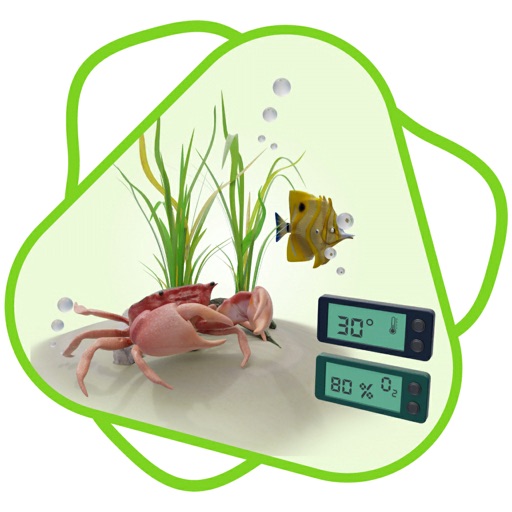
CloudLabs Ecosystem Balance
Provides a risk-free, cost-effective environment for complex biological experimentation using professional-grade instrumentation (pH meters, oxygen sensors, etc.).
Guided 'Ecological Disaster' Scenarios
Target: Middle-school science teachers and students
User Frustration
highThe 'blank slate' problem where users have professional tools but no clear objective or understanding of how variables interact in a crisis.
"N/A - No reviews available for this specific app; however, common friction in this genre involves users feeling lost without structured curriculum or 'what-if' prompts."
Solution
A 'Scenario Mode' that presents a dying ecosystem and requires the user to use the instruments to diagnose and fix the specific imbalance (e.g., 'The Algae Bloom Crisis').
Why it wins: It shifts the app from a passive sandbox to an active, goal-oriented educational game.
Aesthetic Bio-Sim for Aquarium Hobbyists
Target: Home aquarium enthusiasts and 'Zen' seekers
User Frustration
mediumThe interface is overly industrial and academic, focusing on 'resistance' and 'meters' rather than the visual beauty and relaxation of the ecosystem.
"N/A - Based on category trends where technical simulators are often criticized for 'clunky' or 'uninspiring' visual design."
Solution
A 'Visual Overlay' mode that hides the industrial UI and focuses on high-definition species behavior, while still running the complex CloudLabs math in the background.
Why it wins: It leverages the high-accuracy simulation engine for entertainment and relaxation rather than just formal education.
Predictive 'What-If' Visualizer
Target: Advanced biology students and researchers
User Frustration
mediumThe simulation is real-time or near-real-time, making it difficult to see the long-term consequences of small changes in pH or oxygen levels quickly.
"N/A - Based on common feedback in simulation software regarding the lack of 'time-skip' or 'predictive modeling' features."
Solution
A 'Fast-Forward' or 'Trend Projection' tool that shows a 30-day visual forecast of the ecosystem based on current sensor readings.
Why it wins: It moves beyond current-state monitoring into predictive biological modeling.